
I read somewhere that King Kong is one of cinema’s most enduring mythic figures because the character functions as a Rorschach test for us. The same story is experienced differently by each of us. With that in mind, I offer the following.
Kong holds a special place in my cinematic imagination. Each time I watch one of the four versions I return to—1933, 1976, 2005, and 2017—Kong is the center of my emotional attention. Everyone else is there to play an allotted role in Kong’s story.
Then something unexpected happened while I was watching the end of the 1976 version.
Perhaps recently watching Kong: Skull Island (2017), and seeing all the ways it subverts the original, opened me to recognizing how the 1976 ending subverts the female roles in the other three versions. Both the 1933 and 2005 films leave Ann Darrow with Jack Driscoll, while the 2017 version leaves Mason Weaver and James Conrad surviving together.
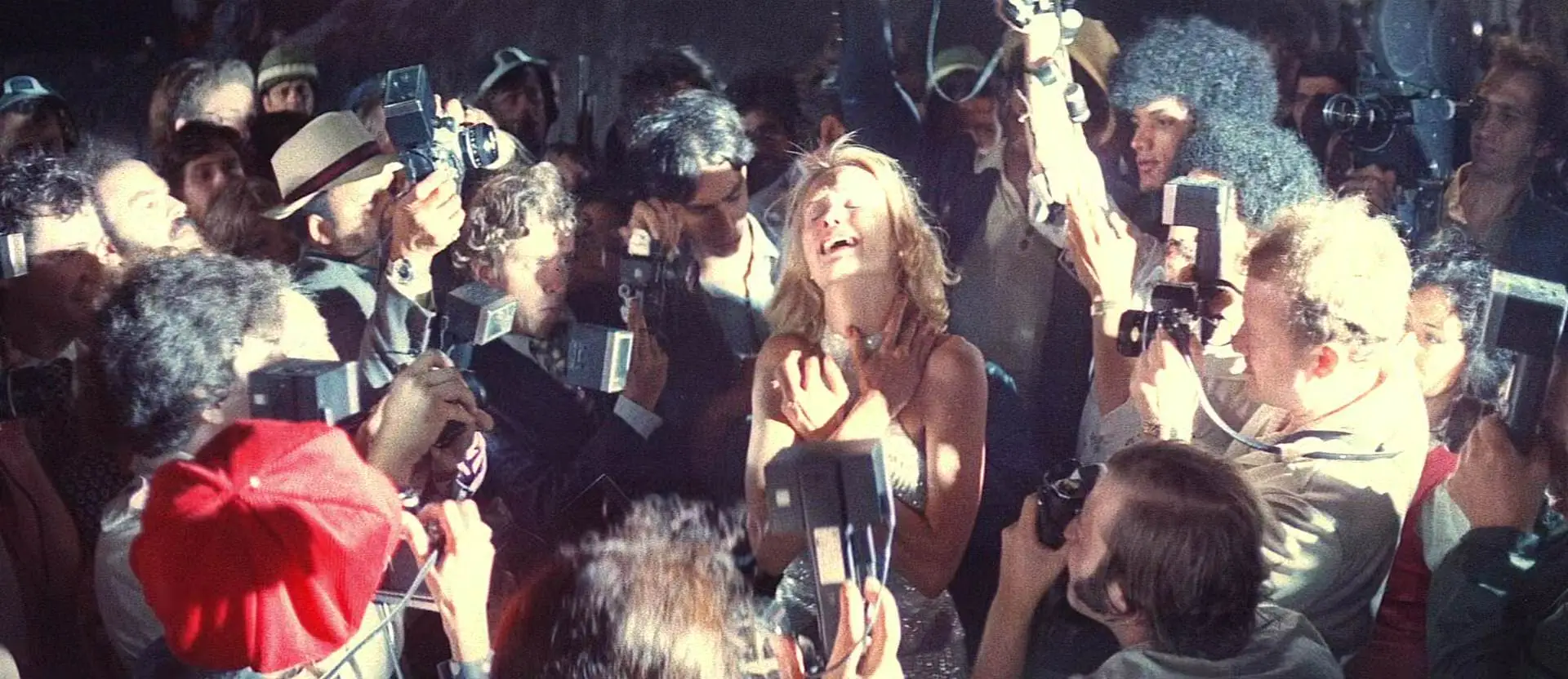
The 1976 ending changes that trajectory. The movie doesn’t end with Kong’s death—or with Dwan finding a happy ending with Jack Prescott. It ends with Dwan’s story left dangling.
What?
Because the original is so deeply embedded in me, I began the 1976 film expecting Kong to be its emotional center and expecting his death to be its completing moment. The film allows that expectation to run its course. Then, quietly and almost brutally, its final moments reveal that Kong’s death is the penultimate emotional beat, not the final one.
Dwan’s abandonment by Jack Prescott is the final beat.
Dwan’s last cry is not for Kong but for Jack. At that instant, the emotional axis of the film shifts. Kong’s death becomes one more overwhelming experience in Dwan’s life rather than the culmination of the film. Suddenly and unexpectedly, she is revealed as having been its emotional center since she first appeared in the middle of the Pacific Ocean on a life raft.
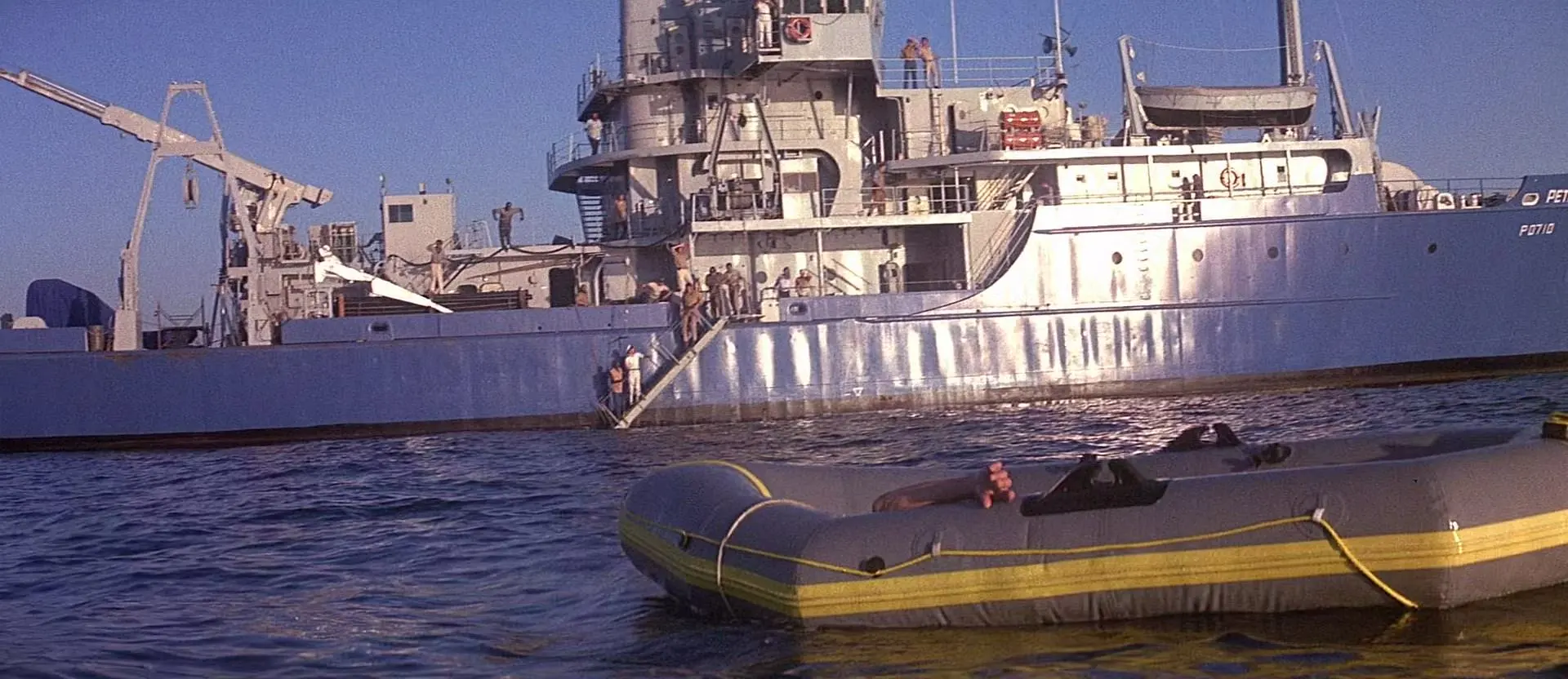
She is eccentric, talkative, imaginative, and oddly accepting of the extraordinary events unfolding around her. Then Jack enters her story and offers her the possibility of sharing her life with another person. She wants it all: a life in the spotlight and a happy ending with Jack, like the two Anns—and perhaps Mason Weaver—found in their respective stories.
But Jack is conflicted. At the moment Dwan cries out to him, he abandons her.
His turning away from Dwan cuts deeply. It is a failure of recognition and imagination. Jack no longer sees the woman with whom he has fallen in love. In the end, he can see Dwan only as someone too exotic for a university common room.
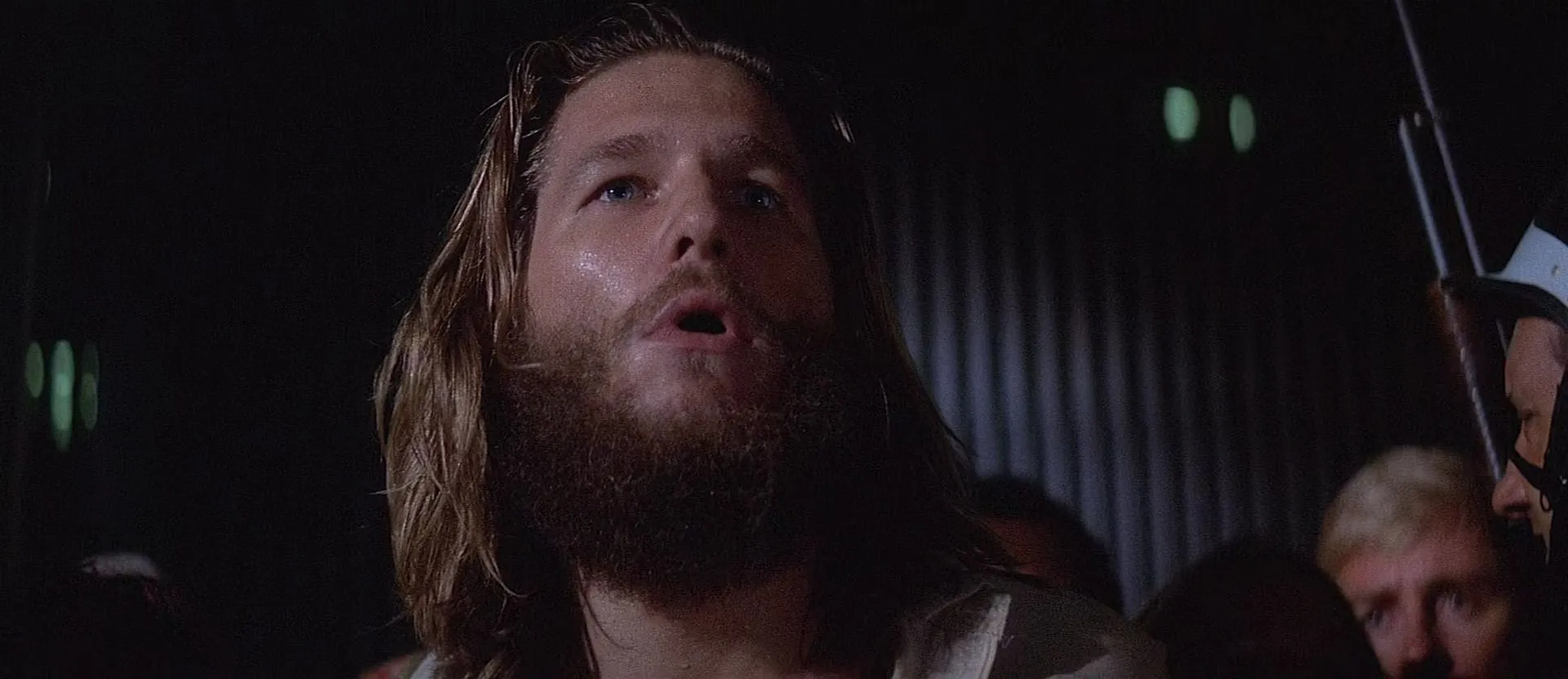
That leaves Dwan to continue surviving as best she can in a world of men with predatory power: her agent on the yacht, Fred Wilson, and the mayor of New York City. That is her tragedy.
At that moment, Kong’s tragic ending is pushed into the background to make room for what has been Dwan’s story all along. Through Jessica Lange’s brilliant performance, Dwan’s survival becomes the poignant ending the movie leaves with us.
The 1976 version may have understood something the other versions did not: that the “girl’s” story can be the more honest center for some of us to be left with—even more than Kong’s.
After seeing this, I watched the theatrical and television cuts again. Both flowed wonderfully and honestly when I viewed Dwan as the center. Whether planned or accidental, the 1976 ending coheres. It isn’t a loose thread or a tonal mistake. Once seen, it retrospectively organizes the entire film around Dwan’s tragedy in a way that feels inevitable.
That said, I am still moved—and will always be moved—by Kong’s story in all four versions. But now I keep in the back of my mind how Hollywood loves to give us tragic endings so that we can cry, feel cleansed, and then go to sleep comforted by our own empathy.
For some reason, this version offers us something far more demanding: unresolved tension and moral confrontation.
Unless I am missing something, the 1976 King Kong offers us both.